
Keep services available when conditions change.
Security and continuity are operational disciplines, not isolated product installations. A defensible programme combines asset awareness, access controls, monitoring, backup design and regularly tested response and restoration procedures.
Server Security & Continuity brings together practical planning, technical delivery and ongoing review, helping teams make informed choices rather than relying on disconnected activities.
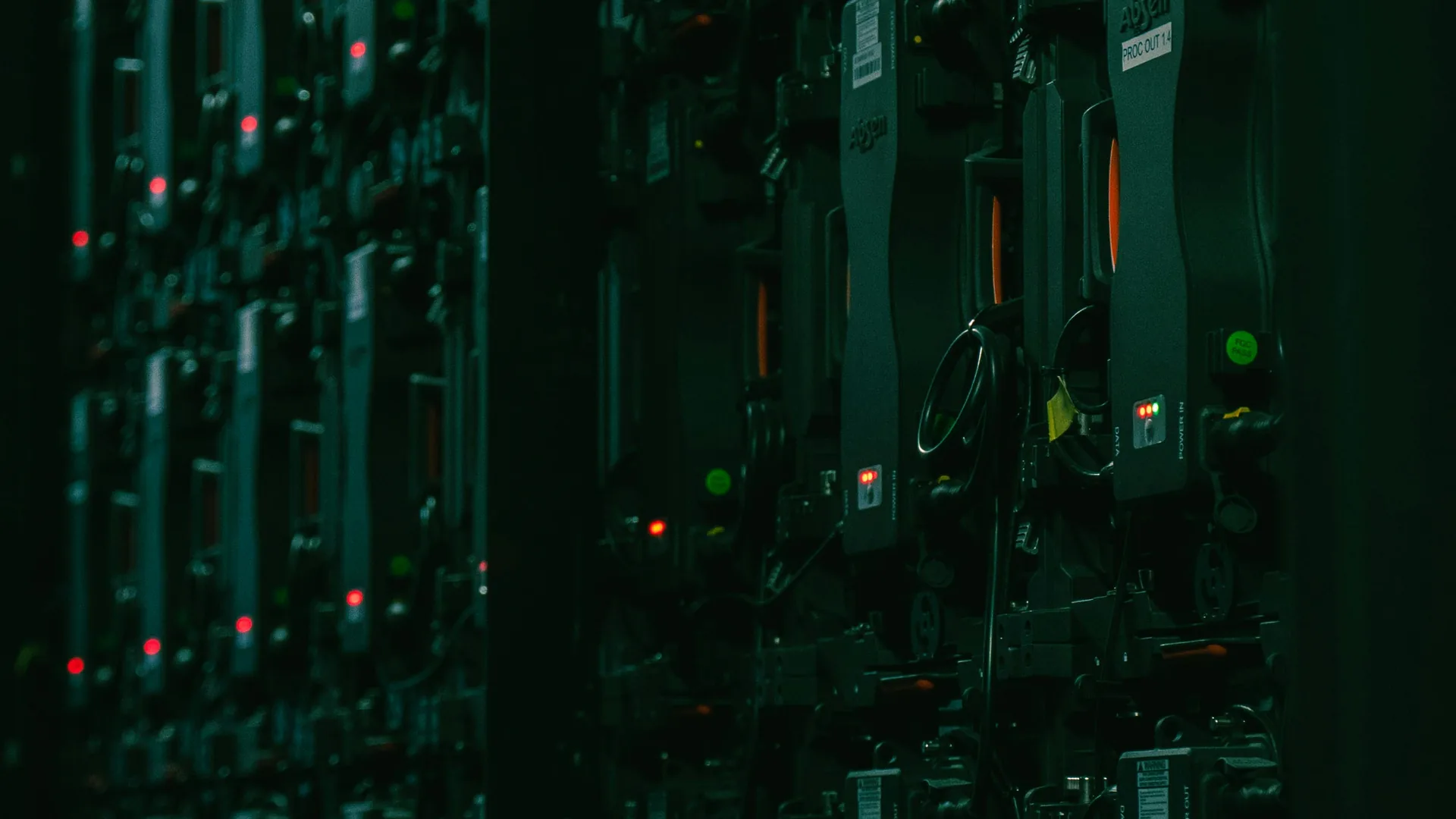
Effective delivery starts with the right decisions.
Good outcomes require more than selecting a tool or launching an initiative. The work begins with a clear understanding of the starting point, the dependencies involved and the outcome the business needs to achieve.
Server hardening, monitoring, backups and recovery readiness. We organise these concerns into actionable workstreams with clear ownership, validation and reporting.
Six connected capabilities, one clear direction.
Each workstream contributes to a practical, accountable service rather than standing alone as a disconnected task.
Security posture review
Understand what is exposed, outdated or insufficiently controlled.
- Asset and network inventory
- Patch and vulnerability priorities
- Configuration and access review
Server hardening
Reduce unnecessary services and strengthen default controls.
- Firewall and service minimisation
- Privileged access and MFA
- TLS and security configuration
Monitoring and detection
Create meaningful alerts tied to operational response.
- Availability and resource telemetry
- Security logs and anomalies
- Alert ownership and escalation
Backup architecture
Protect essential data with clear recovery expectations.
- Backup frequency and retention
- Off-host or immutable options
- Restore verification and integrity
Recovery planning
Prepare realistic steps for outages and data loss.
- Recovery objectives and dependencies
- Runbooks and alternate paths
- Tabletop and restore exercises
Maintenance governance
Keep controls useful as systems evolve.
- Change windows and approvals
- Incident and audit records
- Regular control and readiness review
Details that make delivery dependable.
Choices about architecture, configuration, quality and operations matter. We document the technical work that should be assessed for this service, then define the appropriate implementation scope.
- 01CIS-style configuration baseline concepts where applicable
- 02Least privilege, MFA, SSH keys and RDP exposure control
- 03TLS policies, firewall segmentation and patch prioritisation
- 04Centralised logs, monitoring and incident alert routing
- 053-2-1-style backup principles with scoped implementation
- 06RPO/RTO definitions, restoration exercises and incident runbooks
Platform selection, access levels, support boundaries and implementation depth must follow the actual requirements. We do not assume the same configuration fits every organisation.
Structured work, visible progress.
A clear sequence makes the engagement easier to govern, test and improve. Exact phases and timelines depend on the scope and dependencies we confirm together.
Audit workloads and dependencies
Document baseline conditions, dependencies and the business decisions at stake.
Define availability and security requirements
Agree priorities, constraints, owners and acceptance criteria before implementation starts.
Design the target configuration
Translate the approved plan into tested, trackable configuration or delivery work.
Deploy, test and document
Check both technical correctness and real customer or user outcomes before release.
Monitor, support and improve
Use monitoring and evidence to prioritise improvements, document changes and maintain continuity.
Know what will be reviewed and delivered.
Practical documentation and verifiable outputs make delivery easier to evaluate. The final checklist is agreed during discovery and adjusted to the actual technical and commercial scope.
Discuss your project scopeClarifies the agreed scope, key constraints and responsibility boundaries before work begins.
Makes implementation choices traceable for technical stakeholders and business owners.
Supports a shared definition of completion and reduces avoidable handoff gaps.
Provides a practical basis for quality checks, exception management and review.
Helps operating teams maintain the solution after the initial delivery.
Connects ongoing decisions to evidence, priorities and measurable service outcomes.
Different starting points. Practical next steps.
Whether beginning, improving or scaling, the delivery approach should match your actual priorities and constraints.
Start with security posture review.
Understand what is exposed, outdated or insufficiently controlled. Confirm the expected outcome and a realistic implementation baseline.
Strengthen monitoring and detection.
Create meaningful alerts tied to operational response. Review existing constraints and prioritise changes that users will notice.
Make maintenance governance sustainable.
Keep controls useful as systems evolve. Document ownership, quality checks and the next improvement cycle.
Clear expectations are part of good engineering.
Before work starts, we align on the technical dependencies, acceptance criteria, decision owners and reporting required for the engagement. Progress should be visible through evidence and usable outputs.
What is included, excluded and dependent on external systems.
Appropriate access, permissions and data controls.
Checks and acceptance criteria appropriate to the work.
Documentation and agreed operating responsibilities.
Server Security & Continuity, explained clearly.
Useful answers to the questions that typically shape the scope, implementation and operation of this service.